Omega-3 fatty acids are one of the most studied nutrients in cardiology. More than 5000 scientific studies confirm their role in the prevention of cardiovascular diseases. But are all forms of fish oil equally effective? And what dosage really works?
What is omega-3 and what forms are there
Omega-3 is a family of polyunsaturated fatty acids. Two are the most important for the heart:
- EPA (eicosapentaenoic acid) — anti-inflammatory action, lowers triglycerides
- DHA (docosahexaenoic acid) is a structural component of heart and brain cell membranes
Plant sources of omega-3 (flaxseed, chia) contain ALA, a short chain that the body converts to EPA/DHA by only 5-15%. Therefore, fish oil or algal omega-3 is the only reliable way to get enough EPA and DHA.
Proven benefits of omega-3 for the heart
1. Lowering the level of triglycerides
EPA and DHA lower blood triglycerides by 15-30% — this is confirmed by meta-analyses of more than 20 studies. High triglycerides are an independent risk factor for cardiovascular diseases.
2. Lowering blood pressure
Regular intake of omega-3 (3–4 g/day) lowers systolic pressure by 4–5 mm Hg. Art. in people with hypertension. The effect is modest, but stable and without side effects.
3. Reduction of inflammation
Chronic inflammation is a key mechanism in the development of atherosclerosis. EPA is converted into resolvins and protectins — powerful anti-inflammatory molecules that “quench” vascular inflammation.
4. Antiarrhythmic action
DHA stabilizes the electrical activity of cardiomyocytes and reduces the risk of ventricular fibrillation, the most dangerous heart rhythm disorder.
5. Increase of “good” cholesterol HDL
Omega-3 moderately increases HDL (high-density lipoproteins), which “carry” cholesterol from the vessel walls.
How much omega-3 is needed for heart health
- Prevention: 1–2 g EPA+DHA per day
- Triglyceride reduction: 2-4 g EPA+DHA per day
- After a heart attack: 1 g EPA+DHA (as recommended by a cardiologist)
Please note: this is the dosage of EPA+DHA, not total fish oil. A 1000 mg capsule of fish oil typically contains 300–400 mg of EPA+DHA. That is, for prevention, you need 3-4 capsules of standard fish oil per day.
How to choose high-quality omega-3
There are many fakes and low-quality products on the market. Here are the key selection criteria:
- The concentration of EPA+DHA is at least 60% of the total fat mass
- Molecular distillation — purification from heavy metals (mercury, lead)
- The form of triglycerides is better absorbed than the form of ethyl esters
- No smell – fresh fish does not smell, fish smell = oxidation
- Quality certificates – IFOS, NSF or independent laboratory testing
Omega-3 from NSP: Super Omega-3
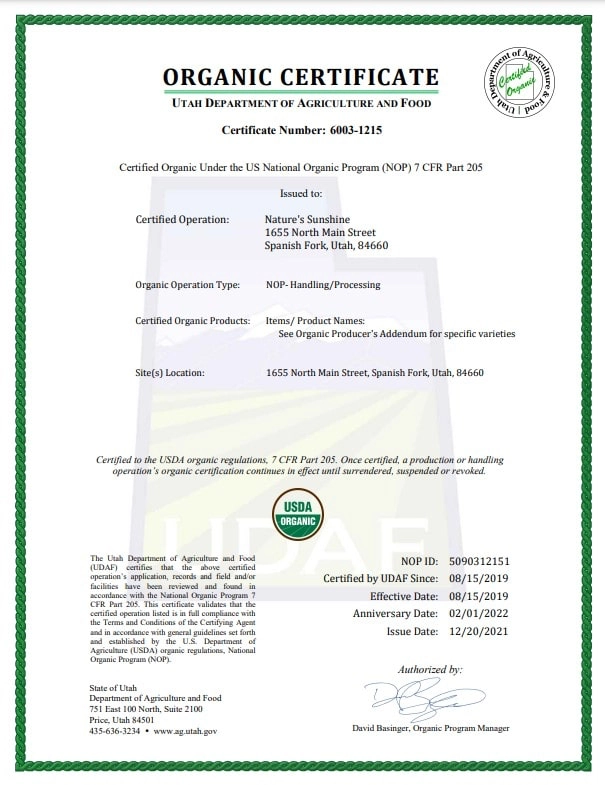
Nature’s Sunshine Super Omega-3 is made from cold sea fish (sardine, anchovy, mackerel) by molecular distillation. Each capsule contains 1000 mg of fish oil with 380 mg of EPA and 260 mg of DHA.
The drug undergoes three-level quality control at all stages of production — from raw materials to the finished capsule.
Conclusion
Omega-3 is one of the few nutrients for which there is convincing evidence of a cardioprotective effect. For the effect, it is important: the correct form (EPA+DHA from fish), a sufficient dose (minimum 1 g/day) and a quality product. Take omega-3 with food containing fat – it increases absorption by 50%.